Peedi Picasso reveals why he rejected Burna Boy's 85-15 contract offer
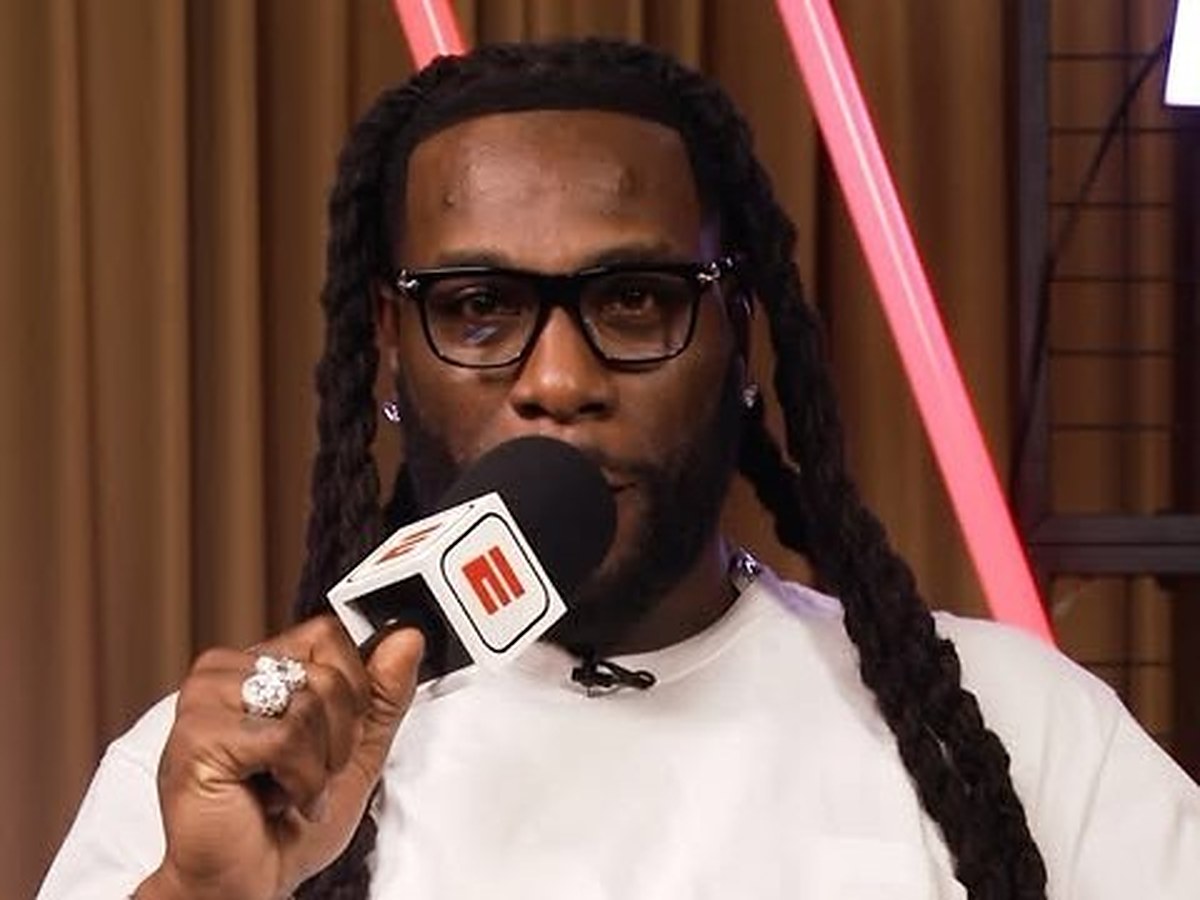
Peedi Picasso, the CEO of Aristokrat Records, has shared the details behind the label's decision not to renew Burna Boy's contract. During negotiations to renew the singer's recording contract, the label boss rejected a proposed revenue-sharing arrangement where Burna Boy would take 85 per cent of the earnings, leaving only 15 per cent for the label.
Burna Boy, a Nigerian singer, songwriter and music producer, had an earlier agreement with Aristokrat Records that used a 60-40 per cent split. In that setup, the singer received 60 per cent of the revenue while the label retained 40 per cent. When it came time to renew, the singer reportedly demanded the 85-15 per cent split in his favour, which Picasso said did not make financial sense for the label at the time.
The financial risk of the 85-15 split
Picasso explained that the proposal did not make financial sense for the label because of the heavy investment needed to develop and promote an artiste. At that time, the Nigerian music industry was structured differently, and record sales were not generating substantial revenue for labels or artists. The primary sources of income were endorsement deals and live performances, rather than the recorded music itself.
Accepting a deal that left the label with only 15 per cent of earnings would have been difficult to justify given the financial responsibilities the label carried while managing the singer's career. The cost of resources committed to the singer's career advancement, promotion and general development required a more sustainable arrangement than what was proposed.
Short-term contracts and mother's influence
Beyond the revenue split, there were further complications regarding the length of the agreement. Picasso disclosed that Burna Boy's mother wanted the singer to operate under short-term recording agreements of only two years. He said the condition further influenced the label's position during the negotiations.
From the label's perspective, agreeing to an 85-15 per cent revenue split combined with a short two-year contract would have exposed Aristokrat Records to considerable financial risks. Picasso argued that such a short duration would not provide sufficient time for the label to recover the investments it had made in the singer.
A change of heart and industry evolution
Despite the previous rejection, Picasso has now admitted that he would willingly accept that same 85-15 per cent arrangement if he were presented with a similar opportunity today. He noted that the music industry has evolved significantly, with international distribution, streaming platforms and recorded music now creating new and different revenue opportunities.
Picasso stated, “Today I will take the 85/15 per cent now, but back then it didn’t make any sense.”
Performance earnings and global success
Regarding live shows, Picasso clarified that Burna Boy already received a larger share of earnings from live performances under their previous agreement. This was because he was the artiste actually performing on stage. Since record sales were not producing significant returns at the time, performance revenue served as a critical part of the business model.
These revelations provide a look into the business dynamics between the singer and Aristokrat Records before Burna Boy achieved global recognition and became one of Africa's most successful music exports.