Nigerian Hip-Hop Dey Fight For Respect: “Afrobeats Na Our Little Cousin”
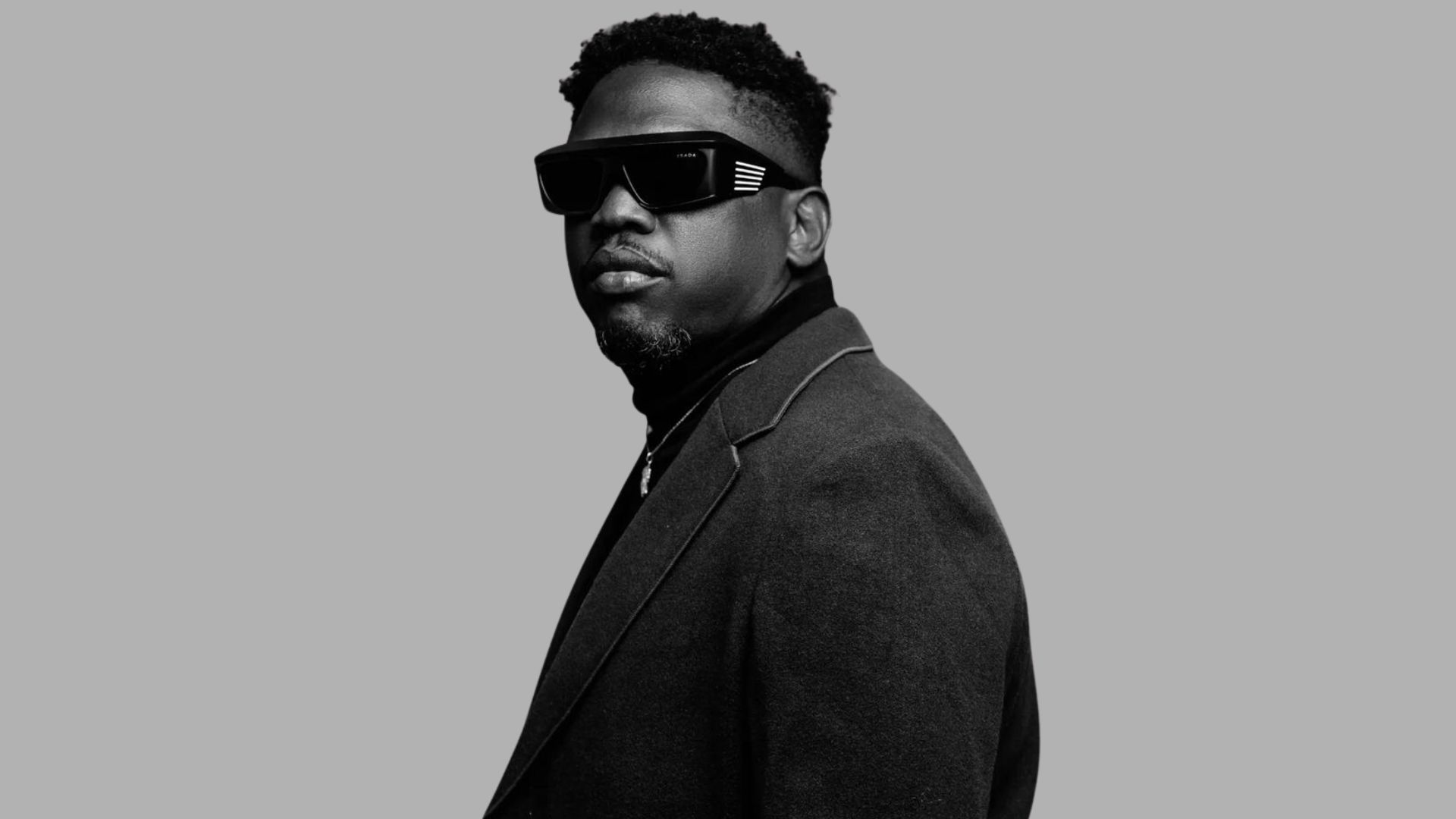
Nigerian hip-hop has been in its feelings for years, arguing for its rightful place in a market that just can't get enough of Afrobeats. Let's be honest, the streaming charts, the club bangers, the international deals – everything just dey tilt towards that melodic, dance-ready sound. But don't get it twisted, plenty of rappers and hip-hop heads are still shouting from the rooftops that this commercial imbalance no mean say rap don fall hand, or that what it built is gone.
Afrobeats Na Our Small Pikin, Abeg!
illBliss, no mincing words, don put the whole relationship in clear family terms. In a recent radio conversation, baba said, “How can someone sit down somewhere and say rap is dead when there’re still amazing rappers like Olamide, Phyno, Falz, Reminisce, Odumodu Blvck…making incredible rap music to represent Nigeria. We agree that afrobeat has more numbers than rap music but afrobeat is our little cousin.” He even dropped a reminder that na rappers first open door for the industry before many of today's Afrobeats giants crossed over.
Ruggedman, on Channels Television’s Rubbin’ Minds, highlighted the real-life pressure, observing that rap has taken a backseat because people want to make money quickly. He added that promoting pure rap just costs more kudi than pushing Afrobeats. He even suggested that this big 'Afrobeats' tag might not last forever, preferring a simpler idea of Nigerian music where different styles fit without one swallowing the rest. The veteran don always argue say early hip-hop paved the way for later generations.
Rap No Be Only Shakara, Na Message!
Vector sees the issue in how rap is perceived. In an interview, he stated that “Rap is heavily misunderstood and misrepresented in Nigeria.” He's been urging artists to stay authentic, rooted in local realities instead of chasing empty boasts or just trying to game the algorithm. Baba even calls his own work “Rapfrobeats” to show say African rappers fit carry melody without losing their bars. His collaborations with legends like M.I Abaga are all part of keeping the conversation bubbling.
Ladipoe pointed out a different kind of competition entirely. Speaking on Afrobeats Intelligence, he noted that “rappers still talk about being better than each other on songs when we know our real competition is the afrobeats boys and girls.” He sees the rise of pop as a challenge that needs better songwriting, not an excuse to ditch lyricism. His Mount Rushmore of Nigerian hip-hop – featuring Ghost, Naeto C, Tec and M.I – shows say the scene still has serious reference points, even if mainstream attention is chilling elsewhere.
M.I Abaga, the chairman himself, no dey ever let claims that rap is finished slide. After Wizkid's talk about rap feeling dead, M.I dropped a list of active artists like A-Q, Show Dem Camp, Falz, Vector, Ladipoe and Blaqbonez. He wrote say the energy around hip-hop right now feels right and that rap is on the rise. He's always been about collaborations and building bridges within the scene, while also releasing tracks that dared Nigerian MCs to step up their game, both commercially and artistically, so they don't get lost in the sauce.
The System Dey Vex, But We Dey Push!
Odumodublvck, from different angles, don talk his mind. He once said Nigerians don't always respect hip-hop, remembering early award shows where rappers no even get proper seats. He stands by blending drill, grime, and local melody as real hip-hop, arguing that singing hooks no dey erase the rap. But then, when he sees streaming charts where pure rap artists are miles behind Afrobeats' big names, he also declares the genre 'dead' in that commercial sense. E be like say he dey feel am from both sides.
Plenty other voices dey join the chorus. Phyno no agree with the idea that indigenous rappers must stay in one rigid box, seeing himself as a multifaceted musician. Falz observed that while lyric-heavy rap might not rule Nigerian radio like danceable Afrobeats, mixing sharp bars with accessible grooves allows conscious rap to hold its own. Yung6ix openly talked about the pressure to sing or blend genres, even coining “Trapfro” for fusing trap with Afrobeats rhythms so rap can still thrive locally.
Show Dem Camp sabi their independent lane well with their Clone Wars and Palmwine Music series, showing that Nigerian hip-hop fit coexist without chasing every radio-pop formula. A-Q, through his music and the LAMB collective, maintains that the culture is alive underneath Afrobeats’ big commercial shadow, even if mainstream industry support for lyricists is thin. Jesse Jagz critiques the broader commercialization, choosing artistic freedom over fitting mainstream trends. YCee highlighted the structural wahala, writing that rappers work hard in an industry that gives them no funding and no support.
Even Ice Prince, who crossed over during the early 2010s boom, don talk about how blending rap with melodic hooks became key for many artists who wanted continental reach. Eedris Abdulkareem repeatedly argues that early hip-hop laid the commercial foundation for today’s global Afrobeats wave and has criticised newer stars for forgetting that role. Olamide helped popularise street-hop in Yoruba and turned local slang and rhythms into mainstream currency, building YBNL into a talent factory. Modenine still champions denser lyricism, often critiquing the shift to commercial pop. Slimcase argued on social media that Afrobeats’ star power dey weaken due to overexposure and algorithm fatigue, creating space for other sounds. Elajoe rejected claims that rap is dead, arguing that hip-hop shaped Afrobeats' songwriting, fashion and production and called for better media and club support for rappers.
Nobody here is denying Afrobeats' numbers or global reach – most artists acknowledge both. But wetin they dey contest na the idea that market share is the only thing that matters.