Osuofia don clear air: Yoruba people pioneered home video, not 'Nollywood'!
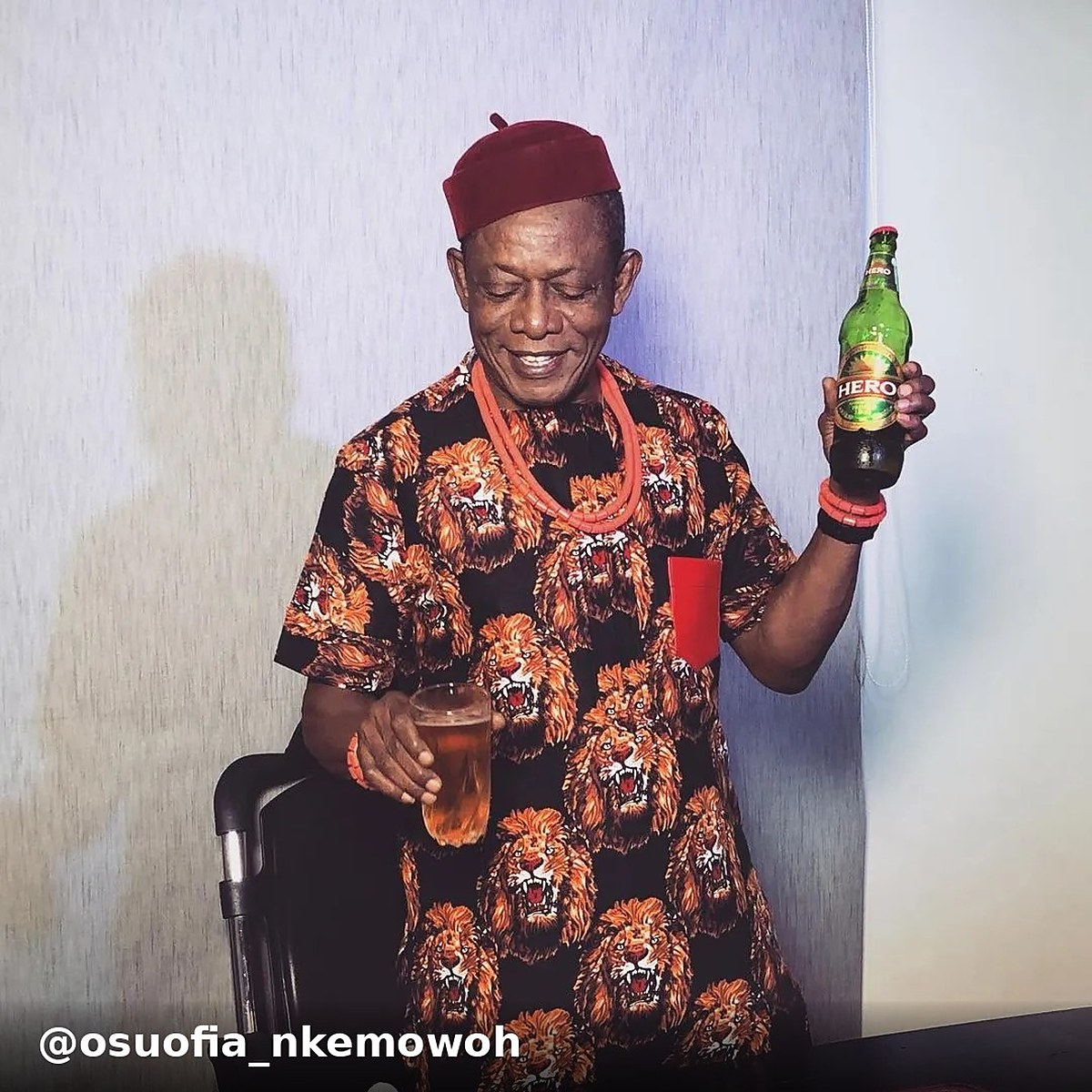
If there's one thing our Nollywood veterans love, it's a good debate about who paved the way! And now, Nkem Owoh, the legendary actor, comedian, and singer we all know as Osuofia, don enter the chat to clarify his comments about how Nigeria's home-video industry started. Baba is insisting that Yoruba filmmakers were the true pioneers of home video, and not this 'Nollywood' we all call it today.
This whole tori dey hot for months, especially after the late veteran actor Francis Duru sparked a serious discussion in August 2026. Duru argued that Igbo people built Nollywood, but the Yoruba community later became more dominant because of their powerful ability to organise and promote their own works. Back then, Osuofia was reportedly quick to dismiss that claim, saying Yoruba people were already neck-deep in filmmaking, theatre, and stage performances long before the Igbo-led home-video boom of the 1990s. This clarification from Osuofia comes after another legend, Pete Edochie, also appeared on Bae U's show in September 2026, declaring himself bigger than all his colleagues and challenging anyone on his professional level to step forward.
The Osuofia 'No, Be Yoruba Started Am' Clarification
Osuofia made this latest clarification during an appearance on 'Curiosity Made Me Ask', the popular show hosted by comedian and content creator Adebayo Abidemi, who we all know as Bae U. The interview, which dropped on Bae U's YouTube channel on Saturday, saw the actor respond to a question about whether he ever claimed Yoruba people started Nollywood instead of the Igbo.
He quickly rejected the suggestion that Yoruba people started 'Nollywood' specifically. Osuofia explained that the name 'Nollywood' itself didn't even exist when he and other filmmakers first started making films. According to him, the name was adopted much later, after some serious discussions among industry stakeholders.
Osuofia made it clear that he never said Yoruba people started Nollywood. According to him, the filmmakers sat together, exchanged ideas on how the thing would come to fruition, and eventually chose the name Nollywood. So, there you have it – the name came after the grind!
Giving Credit: Ogunde and 'Adebayo Papa' Get Their Flowers
Our veteran actor wasn't just shutting down claims; he was also dishing out credit where it's due. Osuofia gave major props to Yoruba filmmakers like the iconic Hubert Ogunde and 'Adebayo Papa' for being the ones who truly popularised home-video productions across Nigeria. He made it clear that their work was instrumental in making the format widely known.
He said he has said this several times, and that Ogunde and Adebayo Papa are the people he loves to watch. Osuofia, no dey play! He even had to school Bae U when the interviewer jokingly suggested that Ogunde was Igbo. Owoh didn't waste time, insisting that the veteran filmmaker was Yoruba, and that when Ogunde was out, he didn't think any Igbo man was that popular in that line.
He further simplified the whole matter by drawing a clear line between the origins of 'Nollywood' and the home-video tradition: “The Yoruba did not start Nollywood. They started Home video.” This distinction is key, people!
The Great Nollywood Origins Debate: Still Dey Hot!
Osuofia’s clarification is just the latest chapter in the long-running debates about the ethnic contributions to Nigerian cinema. Historical accounts actually back up some of his claims, noting that Yoruba travelling theatre groups, led by giants like Hubert Ogunde, Duro Ladipo, and others, were the first to transition from stage performances to early film and video productions way before the 1990s boom.
But then again, the commercial explosion of the direct-to-video market, which truly put Nigerian cinema on the global map, is widely linked to the 1992 Igbo-language hit 'Living in Bondage'. That iconic film, produced by Kenneth Nnebue, helped popularise the format that later became known worldwide as 'Nollywood'. And yes, the term 'Nollywood' itself was coined many years after that.
Even Pete Edochie, another acting legend, weighed in on Bae U’s show in September 2026, dropping a bombshell that he had no favourite actor because he considered himself bigger than all his colleagues. Edochie, whose stage career dates all the way back to 1962, well before the formal emergence of Nollywood, challenged anyone claiming to be on his professional level to step forward publicly. The gbas gbos on who truly owns the bragging rights for Nigerian cinema origins continues to heat up!
E remain for us to agree on wetin we go call the next generation of filmmakers o! Wetin una think?