Ayra Starr, 'Nigerian Wicked' and The Gbedu of Homage
When a music video lands with a familiar look, or a comedy sketch parodies a Nollywood blockbuster, the verdict is often in before the credits finish. The difference between outright theft and a respectful homage often gets lost in the noise.
Copying is just verbatim duplication with zero thought behind it. But homage? That’s a deliberate nod, handled with serious craft and a fresh spin. It's how art has always moved forward, shaping new forms from old.
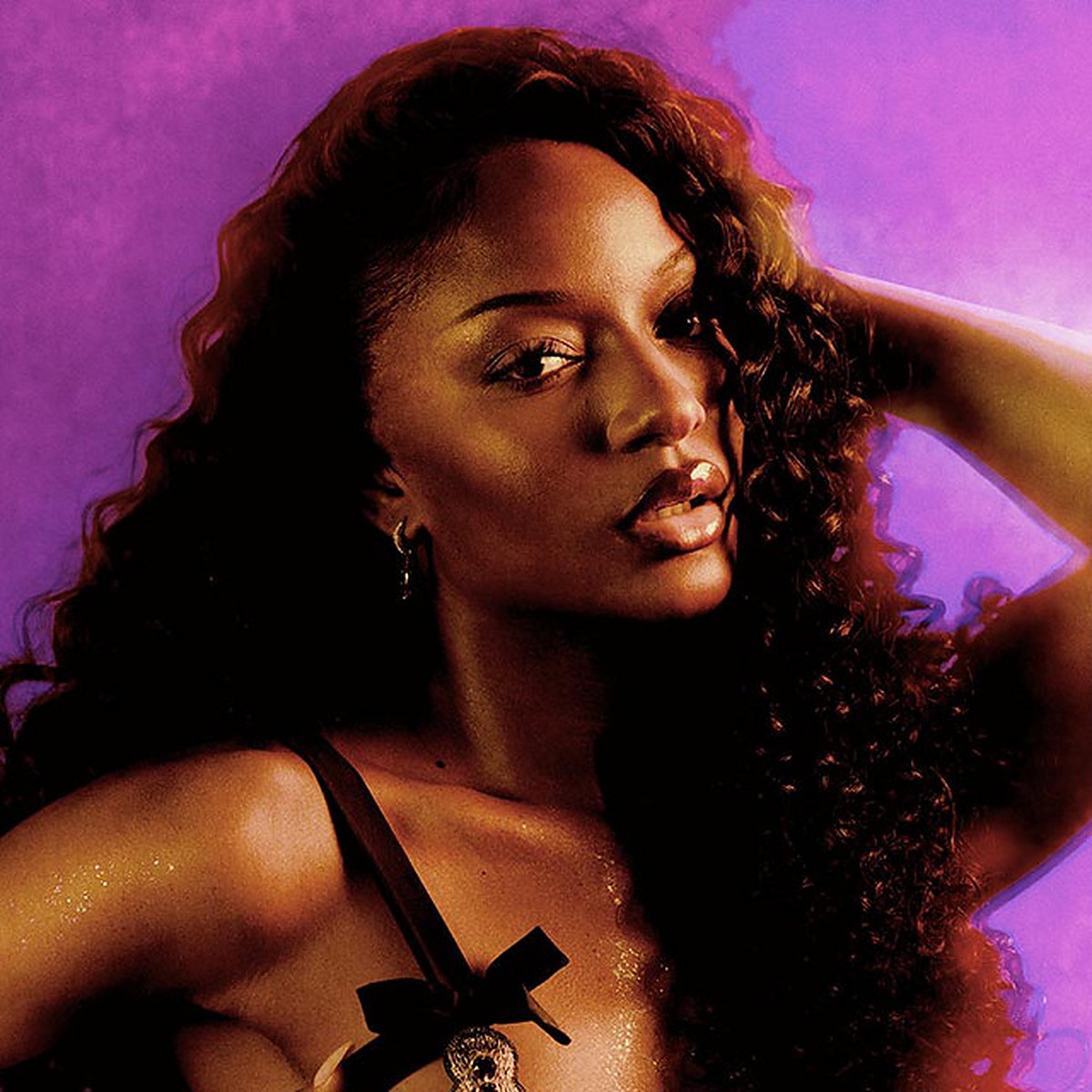
Oyinkansola Sarah Aderibigbe, better known as Ayra Starr, is a Nigerian singer born in Benin. Her original music posted on Instagram caught the attention of Don Jazzy, who signed her to Mavin Records.
When Art Begets Art: Ayra Starr’s "Ms Paper" Palaver
Take the plenty talk around Ayra Starr’s “Ms Paper” video. Yes, Rihanna’s “Rude Boy” video from 2010 was clearly on the moodboard. And so what? As they say, imitation is the sincerest form of flattery. Ayra grew up loving Rihanna, just like many young black women, and she has never hidden it. Some people even accused her of copying Tiwa Savage’s “Kele Kele Love” video, but let’s be honest, that one also took inspiration from “Rude Boy.”
Art always begets art. Think about it: Michael Jackson’s legendary dance moves were inspired by his idol, James Brown. And Burna Boy’s unique blend of Afro-fusion rhythms with sharp socio-political commentary? That’s a clear homage to modern-day Fela. No great artist has ever built something from absolutely nothing. Inheritance is the secret sauce, and the artists we hail as original are actually the ones who took what they inherited and bent it into something completely their own.
Ayra Starr’s case is clear. She and Rihanna are friends, they’ve been pictured together plenty times, and Ayra has openly talked about the advice she gets from her. Rihanna herself has built a whole career by drawing from different eras and artistic traditions, from the soul vibes in “Love on the Brain” to the Grace Jones-inspired visuals of “Rude Boy.” We see these references as proper artistic influences, so Ayra deserves that same respect. More importantly, her other work speaks for itself. “Who’s That Girl” and “Heaven Baby” clearly show an artist with a strong visual identity and mad range. Instead of checking her moodboard, maybe we should just be celebrating the quality of her music.
“Nigerian Wicked”: Inside Jokes or Outside Mockery?
This misunderstanding of homage also shows its head far beyond just music. When the “Nigerian Wicked” sketch from SNL UK went viral, many Nigerians quickly called it tacky, mean, and even mocking. But the sketch starred Cynthia Erivo and Ayoade Bambgboye – Cynthia, the star of the actual box office hit Wicked, and Ayoade, the creator of the sketch. Both are British-Nigerian women with a real affection for Nollywood, having grown up watching it, just like most Nigerians did.
The result is brilliant satire. It mixes Nollywood flair with the Wicked storyline in a way that is truly original and genuinely funny. The production design and costumes were spot on, and that kind of detail only happens when someone has paid serious attention. Bambgoye herself said she got aesthetic inspiration from popular Nollywood archive Instagram accounts like @yungnollywood and @nollybabes, which celebrate Nollywood in all its ridiculousness and glamor. That’s not contempt for Nollywood; she’s laughing with us, not at us. It’s basically a love letter written in the language of comedy.
The Real Talk on Representation
Prominent director-producer Jade Osiberu, however, shared an opposing view in a tweet that definitely needs to be heard. Her argument is that Nigerians are so hungry for representation on foreign stages that we rush to celebrate everything, even when the joke is on us. She admitted she might be hypersensitive, saying she’s never thrilled by caricatures of Nigerian culture or Nollywood. She also said she might enjoy this kind of humour more if the global media landscape was already full of excellent portrayals of us.
The frustration behind her point is very valid. Scarcity makes every depiction feel heavy, and the history of Africans being reduced to punchlines on foreign screens is a real thing. But the conclusion doesn’t quite follow, because the sketch was not a caricature. Caricature comes from distance and condescension, but this sketch came from insiders who knew the references well enough to get the costumes perfect. If representation is scarce, the solution is to welcome variety, including satire, which is actually a sign that a culture is confident enough to laugh at itself. Waiting for a perfectly flattering portrait before we allow ourselves to enjoy anything is a sure way for a culture to stay small.
This whole idea is highlighted in one particular joke from the sketch that has a sharp edge worth appreciating. Anyone who has seen Wicked knows the Wizard of Oz is a fraud and a scammer. The sketch smartly avoided repeating that, which would have linked it to the harmful 419 and Yahoo stereotype Nigerians often get saddled with abroad. Instead, the Wizard in the sketch was simply derided for being broke. That, my people, is a clear sign of a sketch written with care, not with mockery. Homage, parody, and satire are not threats to Nigerian art. They are proof that our art matters enough to be borrowed, referenced, and reimagined. So, next time something drops, before you type 'copycat,' maybe ask: na homage or na theft? What do you think?