Def Jam CEO exit: wetin go happen to our Afrobeats stars?
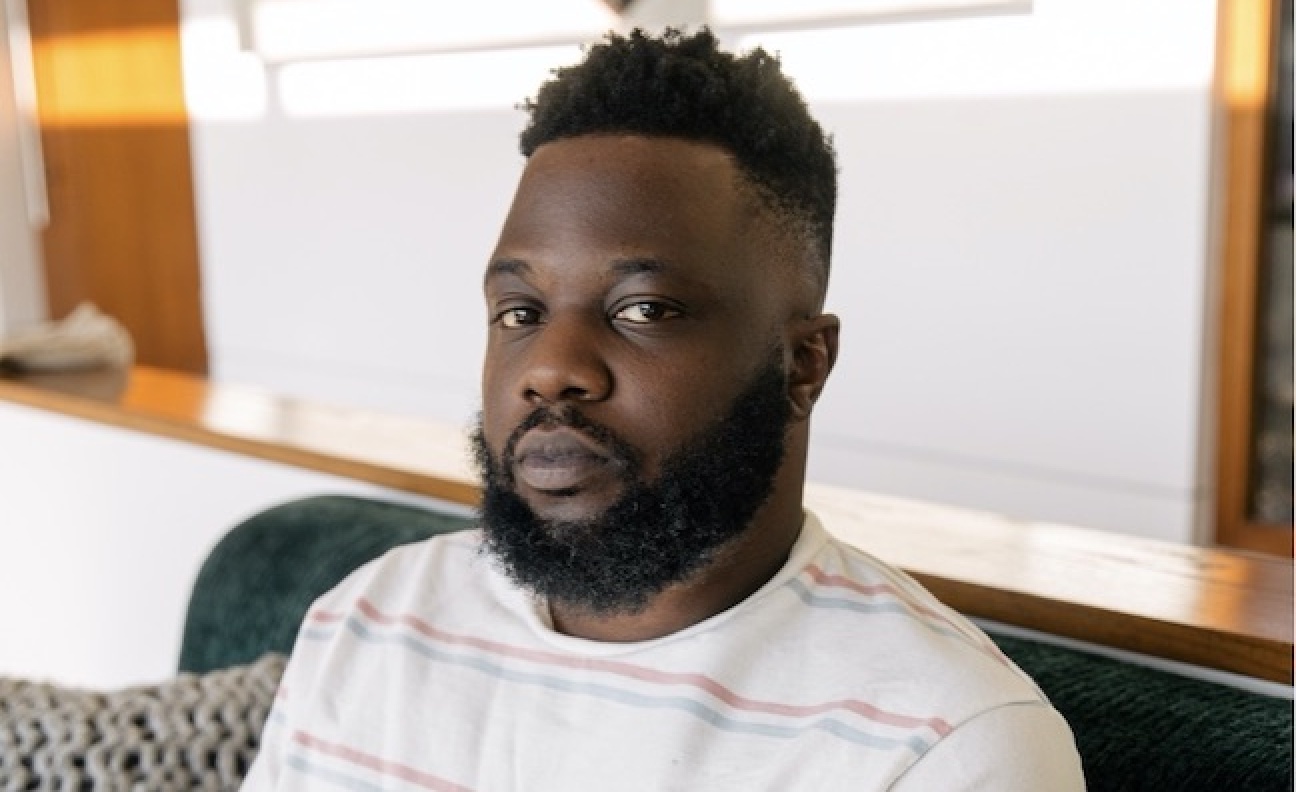
Tunji Balogun, the Nigerian American record label executive who has been holding it down as CEO of Def Jam Recordings, is reportedly set to wave goodbye to Universal Music Group (UMG) by year-end 2026. This news is part of UMG's major restructuring exercise. For real, this move has everyone, especially fans of our booming Afrobeats scene, asking serious questions about what kind of leadership our artists go get and if their global ambitions will still receive that international ginger from the label.
Balogun’s planned exit, which was first reported on 14 October 2026, isn’t just a random shuffle. E dey part of UMG's heavy cost-cutting program, where dem dey aim to save a whopping €250 million (that’s $270 million, if you’re counting your dollar bills) in annual expenses. While we hear say Balogun go still dey with the company during the transition period, the vibe don already change, leaving many to wonder about the future.
Now, why this particular gist dey shake table for Nigerian music? Well, Def Jam operates an African division with a presence in Lagos and Johannesburg. This division is crucial because it’s the direct link, connecting our talented artists on the continent to the entire Universal Music network worldwide. Vector and Larry Gaaga joined the launch roster of Def Jam Africa in 2020. And it didn't stop there – Larry Gaaga himself was later made the vice-president of A&R, with the serious task of spotting and signing new talent all across English-speaking African markets. So you see, the stake too high!
Even though UMG never come out officially to announce any specific changes to Nigerian artists’ contracts, their budgets, or even their release schedules after Balogun's exit, this change in leadership definitely introduces plenty uncertainty. Questions remain over how the label’s international teams and its African operations will come together to coordinate artist development and create those massive promotional opportunities. We know say Def Jam Africa still dey operate under UMG’s larger African business, and regional leadership dey oversee am. So, for now, Balogun's exit alone no automatically mean say the African division go just close shop or that artists' agreements go simply vanish. But the central question for our Nigerian artists, who dey really push Afrobeats hard on the global stage, is whether this massive restructuring will affect the crucial resources available to support their music beyond our domestic market. Especially as Afrobeats dey truly compete for attention in an increasingly crowded global streaming economy. The competition out there no be beans, so every bit of support counts.
Who else dey chop gobe?
Omo, Balogun’s departure no be small kain incident o! This one dey part of a much wider reshuffle that dey sweep through UMG, affecting several senior executives across their American and European operations. Plenty big names dey either pack their bags or dey switch roles within the giant music empire.
For instance, Nicole Wyskoarko and Sam Riback are also leaving their president-level A&R positions at Interscope Geffen A&M. Then, Ben Mortimer dey exit as president of Polydor Label Group for the UK, while Hannah Neaves, who be president of UMG Recordings UK, dey move into a consultancy role. Even Rebecca Allen, UMG UK’s chief artist and strategy officer, don announce say she dey leave after 27 years with the company – imagine that kind of loyalty and dedication! Mark Crossingham is stepping down as managing director of UMG Ireland, with Nick Younger already lined up to take over from him. This just shows how deep the changes dey go.
And the changes no even stop with people leaving! Some executives for Island Records and Republic Records dey get even bigger responsibilities. Imran Majid and Justin Eshak of Island Records are expected to take on wider duties, while Jeffrey Remedios and Tyler Arnold are stepping into new leadership roles at Republic Records. All these movements suggest say UMG dey combine proper job cuts with plenty redistribution of responsibilities across their various labels. For artists, the real consequences of all this go definitely depend on how these internal changes affect the specific teams wey dey manage their recordings, their all-important release campaigns, and their commercial partnerships. If your A&R dey change or your marketing head don comot, e fit shake your game small, no lie.
Why UMG dey do this kine thing?
So, UMG come out to tok say all these changes na to help the company respond to wetin dey happen for the ever-evolving music business, and also to make things more efficient and streamlined. According to a company spokesperson, as reported by MBW, their "consistent success has been built on our ability to anticipate industry changes, act early to better serve all our artists and songwriters, and capture opportunities in music’s fastest-growing areas." So dem dey position am like say na strategy, not just wahala.
Dem also add say they "’re bringing in new skills and technology and connecting expertise across our teams to deliver greater global impact and greater efficiency." While dem dey thank employees whose roles are being eliminated the company still maintain say their investment in artist development go remain central to their strategy. But for real, when big music labels dey restructure and cut costs, e always make artists dey ginger, wondering if their own support go dry up or if new faces go understand their sound. Especially our Afrobeats stars who just dey burst everywhere globally and need all the backing dem fit get.
Make we just pray say this massive reshuffle no go scatter the plans for our artists wey don work tirelessly to put Naija on the global map. Or you think say new leadership fit even bring fresh fire and innovative ways to push our sound even further? Abi na wetin you feel?